
Railway Accidents Archive
in partnership with the Railway Work, Life & Death Project
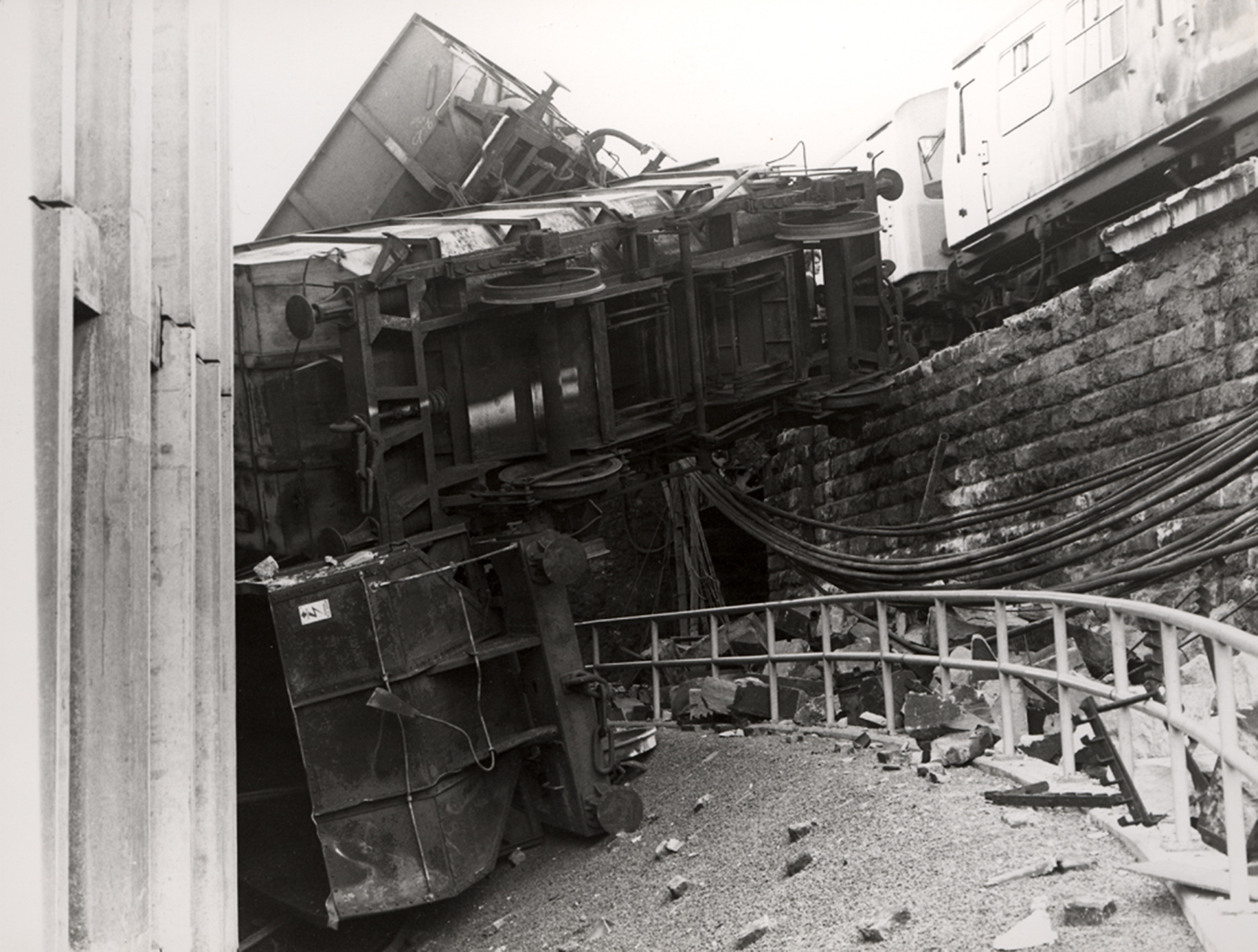
The North East Heritage Library and the Railway Work, Life & Death Project have partnered to provide the North East with a comprehensive database of railway accidents uncovered throughout the 19th and 20th centuries. The Railway Work, Life and Death project is trying to improve our knowledge and understanding of British and Irish railway worker accidents from the later 19th century to the start of the Second World War. We want to unlock the mass of details – some minor, some startling, all significant – contained in a variety of sources, and show how valuable they can be as a means of accessing the experience of working on the railways. This work is an innovative attempt to build stronger connections between museums, volunteers and academic researchers. It draws upon recent moves towards crowd-sourcing and the idea of ‘citizen scientists’ as interested people freely giving their time, interest and energy to projects that benefit all involved, as well as the wider public. The project is a great chance not only for the volunteers to contribute to cutting-edge research, but also to shape its direction. Volunteers are doing important work in collating details of the accidents, making them more easily available for everyone, and much more quickly than had it just been one or two people working on the task. At the same time, it’s not just about transcription; we’re also interested in the volunteers’ thoughts and the questions they might have as they read through the reports. Our initial work made use of accident reports produced by the Railway Inspectorate, the body appointed by the state to oversee railway safety. The reports give details – sometimes rather brief, amounting to only a few hundred words – of investigations into railway worker accidents. The accident reports, an example of which is given below, are an incredibly rich source, but under used – most people tend to think of passenger accidents on the railways and don’t realise that worker accidents were far more numerous. These reports can tell us all sorts of things about working conditions on the railways, relationships between the state, companies and unions, who was involved in accidents and attitudes towards safety. So, we hope that with this project we can change the balance and help people to think about the dangers railway workers experienced in the past. We started off looking at the period 1911-15, using these state reports, but are now extending both the period we’re able to cover and the types of sources. This will bring a host of exciting new questions and research. Firstly, in collaboration with the NRM and through the goodwill of its volunteers, we’ve transcribed the Great Eastern Railway’s Benevolent Fund book, covering 1913-23 and including details of what happened to workers after they were injured. Next, again with the NRM and its volunteers, we’re covering the state accident reports for the interwar period. At the same time, we’re working with The National Archives of the UK and its volunteers, on the accident record books produced by the railway companies between the late 19th century and the late 1920s. Finally, with the Modern Records Centre at the University of Warwick, we’re starting to look at trades union records, from the 1870s to the 1920s – watch this space on all of these developments!